
A kitchen island is often one of the most requested features in a new kitchen, and it is easy to see why. It can create a natural focal point, add valuable storage, improve the flow of the room and provide a more sociable way to cook, chat and entertain.
However, a successful island is never just about appearance. The most effective designs are shaped around the way you live. A beautiful island that feels awkward to move around, lacks enough storage or is simply too large for the room will not improve your kitchen in the way you hoped. The key is to strike the right balance between style and practicality from the very beginning.
If you are considering a kitchen island for your home, here are the main points to think through before making any final decisions. Learn more about HKS and discover our approach to beautifully practical kitchen design.
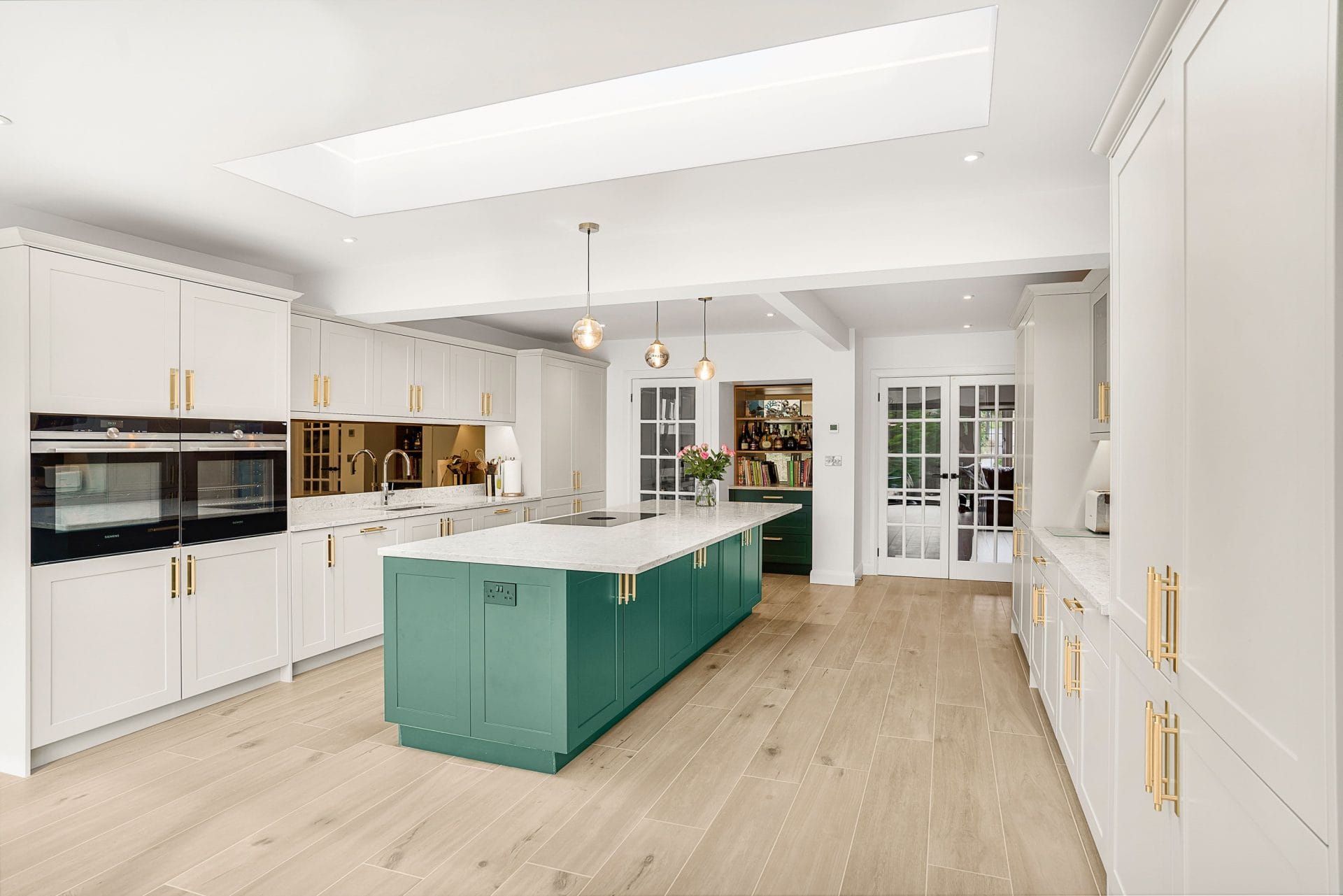
Start with how you want the island to function
Before choosing materials, colours or seating, it helps to decide what role you want the island to play.
For some households, the island is primarily a preparation area where there is room to chop, serve and organise meals with ease. For others, it becomes more of a social hub, with casual seating for breakfast, homework, coffee or drinks with friends. In many homes, it needs to do both.
You may also want your island to provide extra storage, house a sink, incorporate a hob or create a clearer divide between the kitchen and a surrounding open-plan living space. The more honest you are about your priorities, the easier it becomes to design an island that earns its place rather than simply filling the room.
Make sure the space around it feels comfortable
One of the biggest mistakes people make is focusing on the island itself without paying enough attention to the space around it.
A kitchen island should make the room feel easier to use, not more restricted. You need enough space to move around comfortably, open cupboards and appliances fully, and allow more than one person to use the room at the same time without everything feeling cramped.
This is especially important in busy family kitchens, where several activities may be happening at once. Someone may be unloading the dishwasher, someone else preparing food, and another person passing through to the garden or utility room. A well-proportioned island supports that movement rather than interrupting it.
Think carefully about seating
Seating is one of the features that makes an island feel more relaxed and inviting, but it needs to be planned properly.
Ask yourself how the seating will really be used. Will it be somewhere for quick breakfasts and casual lunches, or are you hoping it will become an everyday dining space? Will adults mostly use it, or do you need to accommodate younger children too?
The answers will influence the height, overhang, stool choice and the amount of space needed per seat. It is also worth considering how the seating will interact with the rest of the room. In many open-plan kitchens, island seating works best when it faces into the living or dining area, helping the cook stay connected to the rest of the household.
Balance storage with visual simplicity
A kitchen island offers an excellent opportunity to add practical storage, but it is important not to overload the design.
Deep pan drawers, integrated bins, internal organisers and cupboard space for less frequently used items can all make a real difference to how your kitchen functions. At the same time, the island should still feel clean and well-considered. Too many visible elements can make it look heavy and cluttered.
Often, the best results come from combining highly functional storage on the working side with a simpler, more furniture-inspired look on the outward-facing side. That way, the island feels practical where it needs to be, while still contributing to the overall elegance of the room.
Should you include a sink or a hob?
This is one of the biggest design decisions, and there is no single answer that suits every home.
A sink on the island can work beautifully if you want to prep food while facing into the room rather than towards a wall. It can make day-to-day cooking feel more sociable and often suits open-plan spaces very well. The trade-off is that dishes, taps and splash zones are more likely to remain visible.
A hob on the island can also create a striking, modern look and allow the cook to stay engaged with family or guests. However, it needs very careful planning. You will need suitable extraction, enough surrounding workspace and a layout that still feels safe and uncluttered.
In some kitchens, keeping both the sink and hob off the island creates a cleaner, more versatile surface that can be used for prep, serving and entertaining. The right choice depends on how you cook, how tidy you like the space to look, and which compromise feels most worthwhile. Explore some of our recent kitchen designs to see how we bring beautiful, practical spaces to life.
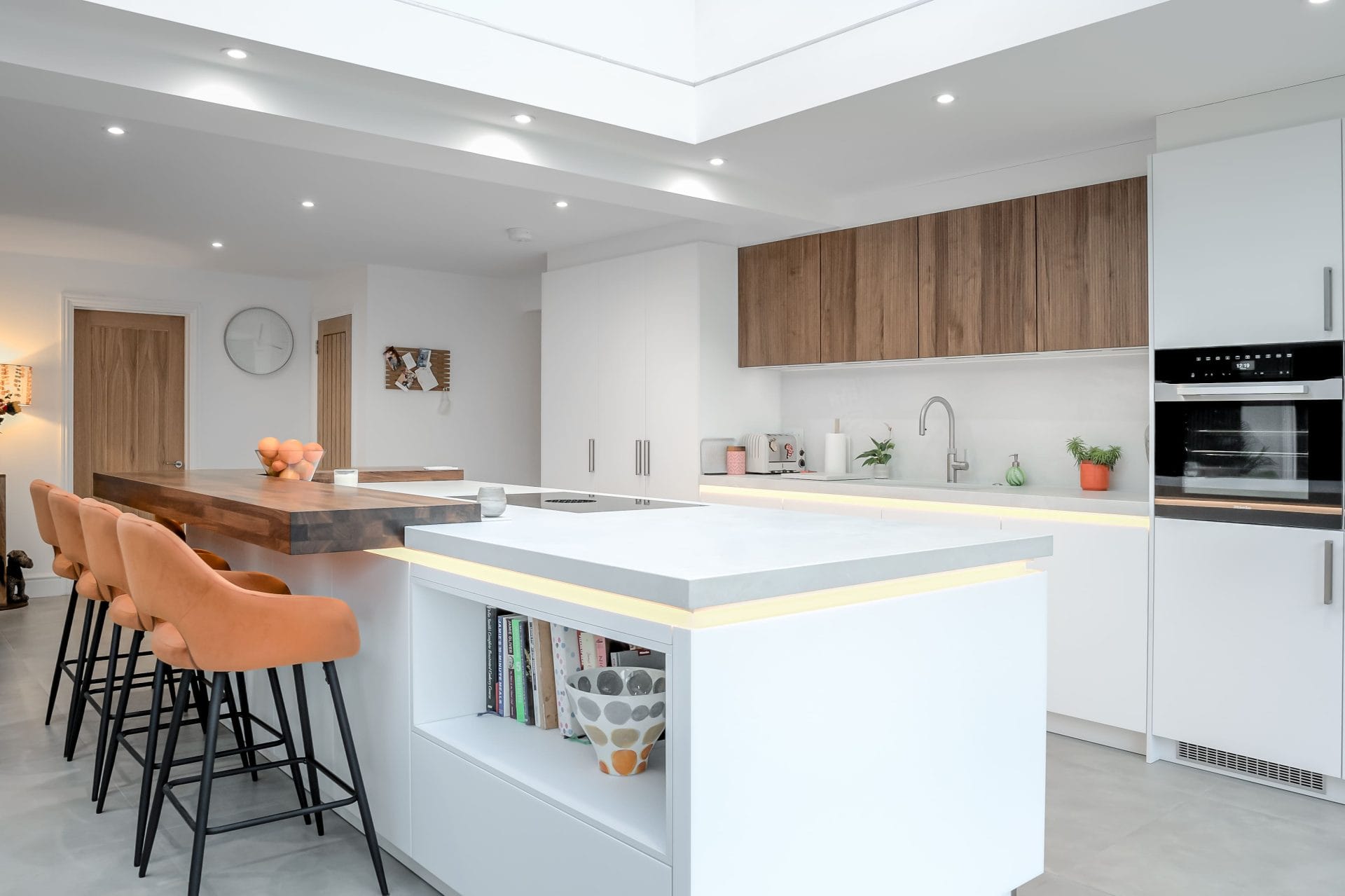
Consider lighting and power early on
A kitchen island nearly always benefits from dedicated lighting, both for practical reasons and for atmosphere.
Pendant lights are a popular choice because they help define the island as a feature and can bring warmth and character to the room. That said, they must be correctly scaled and positioned. Oversized fittings in a modest space can feel overwhelming, while small lights set too high may look lost.
It is also wise to think about power from the outset. Plug sockets, pop-up chargers or discreet integrated power can make the island much more useful for mixers, laptops, phone charging and other daily tasks. These details may seem small, but they often have a big impact on how well the space works once the kitchen is in use.
Match the island to your lifestyle
A kitchen island should never feel like a generic design feature copied from a showroom image. The most successful islands are the ones tailored to the people using them.
If you love entertaining, you may want generous seating and space for serving drinks and sharing food. If you cook regularly as a family, you might prioritise prep space and easy-to-reach storage. If your kitchen needs to feel calm and uncluttered, you may prefer a simpler island with clean lines and minimal visual interruption.
This is where thoughtful design really matters. Every decision, from size and shape to materials and storage, should support the way you want the room to feel every day.
A well-designed island can transform the whole room
When designed properly, a kitchen island can do far more than add extra cabinetry. It can improve circulation, make cooking more enjoyable, create space for connection and help your kitchen feel more open, practical and welcoming.
The key is to look beyond the idea of an island as a trend and instead see it as part of the bigger picture. The best kitchens are the ones that reflect real routines, real priorities and the way a home is genuinely lived in.
If you are planning a new kitchen and wondering whether an island is right for your space, taking the time to think through these details early on can make all the difference. With the right design approach, a kitchen island can become one of the hardest-working and most enjoyable parts of your home. Book a call to discuss your kitchen project with our design team.
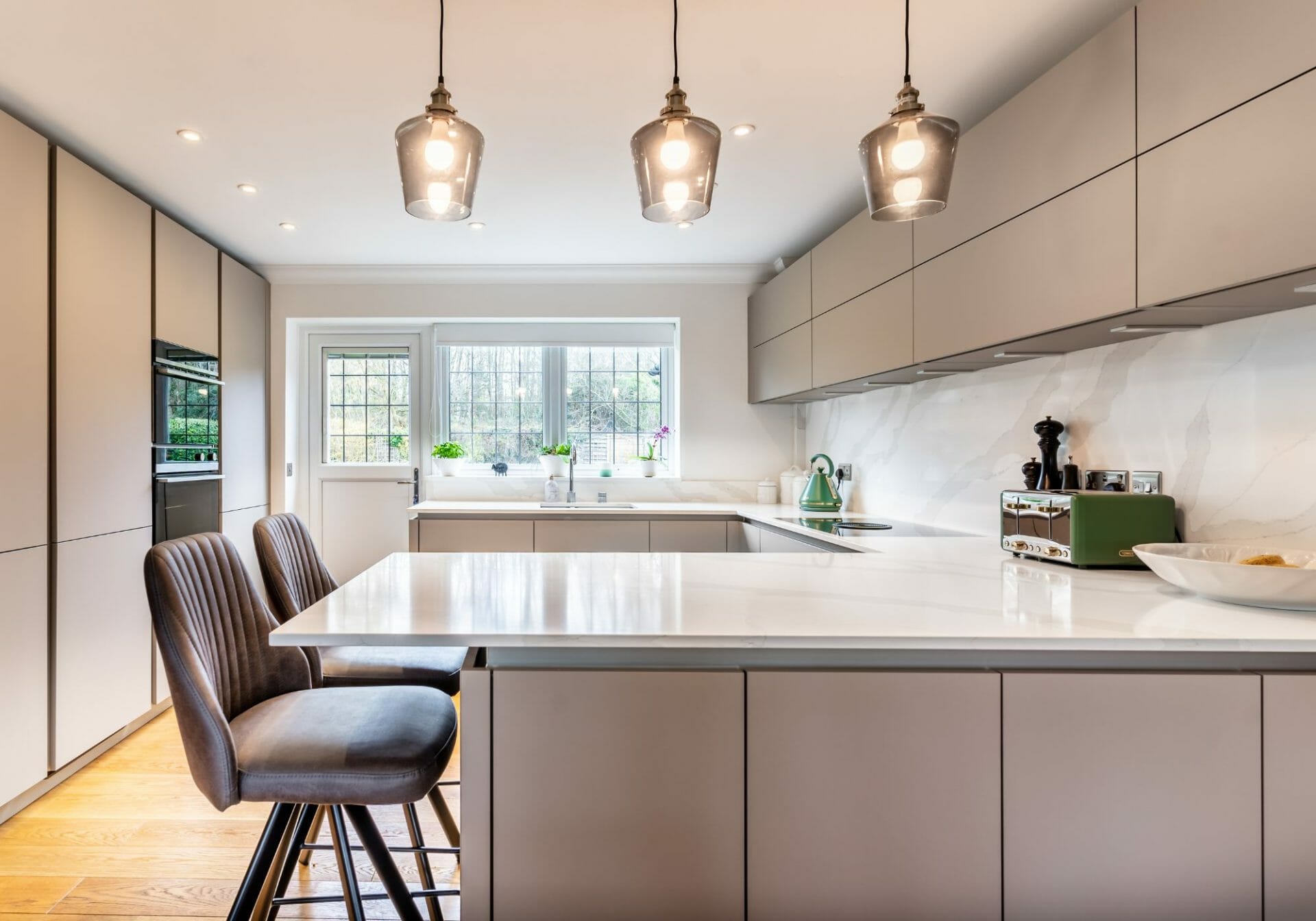
FAQ section
Question:
How much space do I need for a kitchen island?
Answer:
The exact space needed depends on the size of the island and the surrounding cabinetry, but the most important factor is making sure there is enough room to move around comfortably. A kitchen should feel easy to navigate, with enough clearance for doors, drawers and appliances to open without obstruction.
Question:
Is it better to have a sink or a hob on a kitchen island?
Answer:
That depends on how you use your kitchen. A sink can make food preparation feel more sociable, while a hob can create a sleek, modern cooking zone. In some homes, keeping the island clear creates a more flexible surface for prep, serving and entertaining.
Question:
Are kitchen islands only suitable for large kitchens?
Answer:
Not always. While islands are often associated with larger open-plan kitchens, they can also work in more compact spaces if the proportions are carefully planned. The key is making sure the island improves the layout rather than making the room feel crowded.