
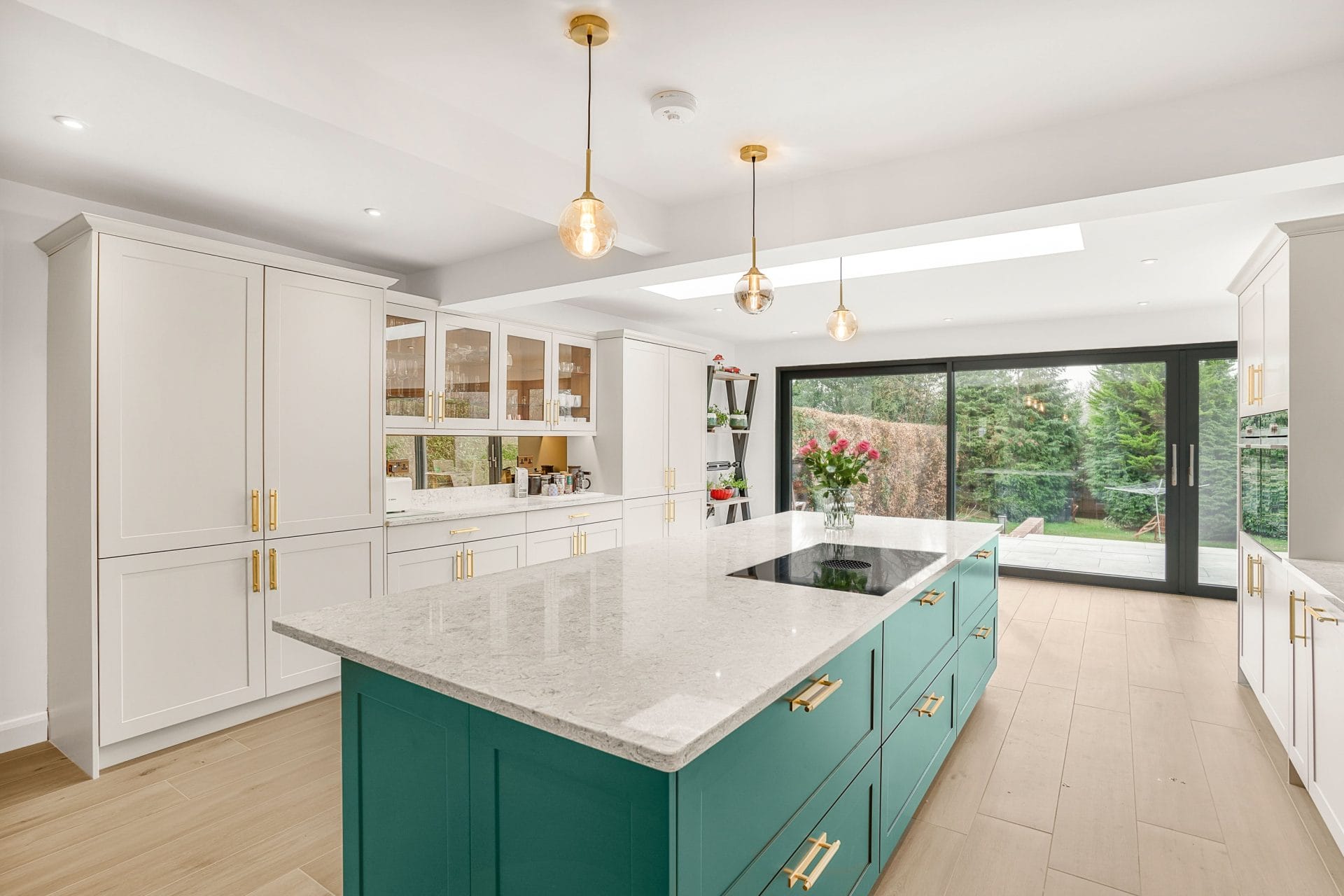
Sussex is home to a wealth of period properties, from converted farmhouses to Victorian terraces, and many homeowners assume this means their kitchen must stick to a traditional style. In reality, a sleek, modern German kitchen can work beautifully alongside period features, creating a striking contrast that feels intentional rather than out of place.
Here’s how to approach the design so the two styles complement rather than compete with one another.
Why German Design Works So Well in Period Homes
German kitchen manufacturing is known for precision engineering, clean lines and exceptional functionality, qualities that translate particularly well into our handleless kitchen ranges. The minimalist aesthetic doesn’t try to compete with a period property’s original character, such as exposed beams or sash windows, but instead sits alongside it, letting both elements stand out in their own right.
Balancing Clean Lines with Period Character
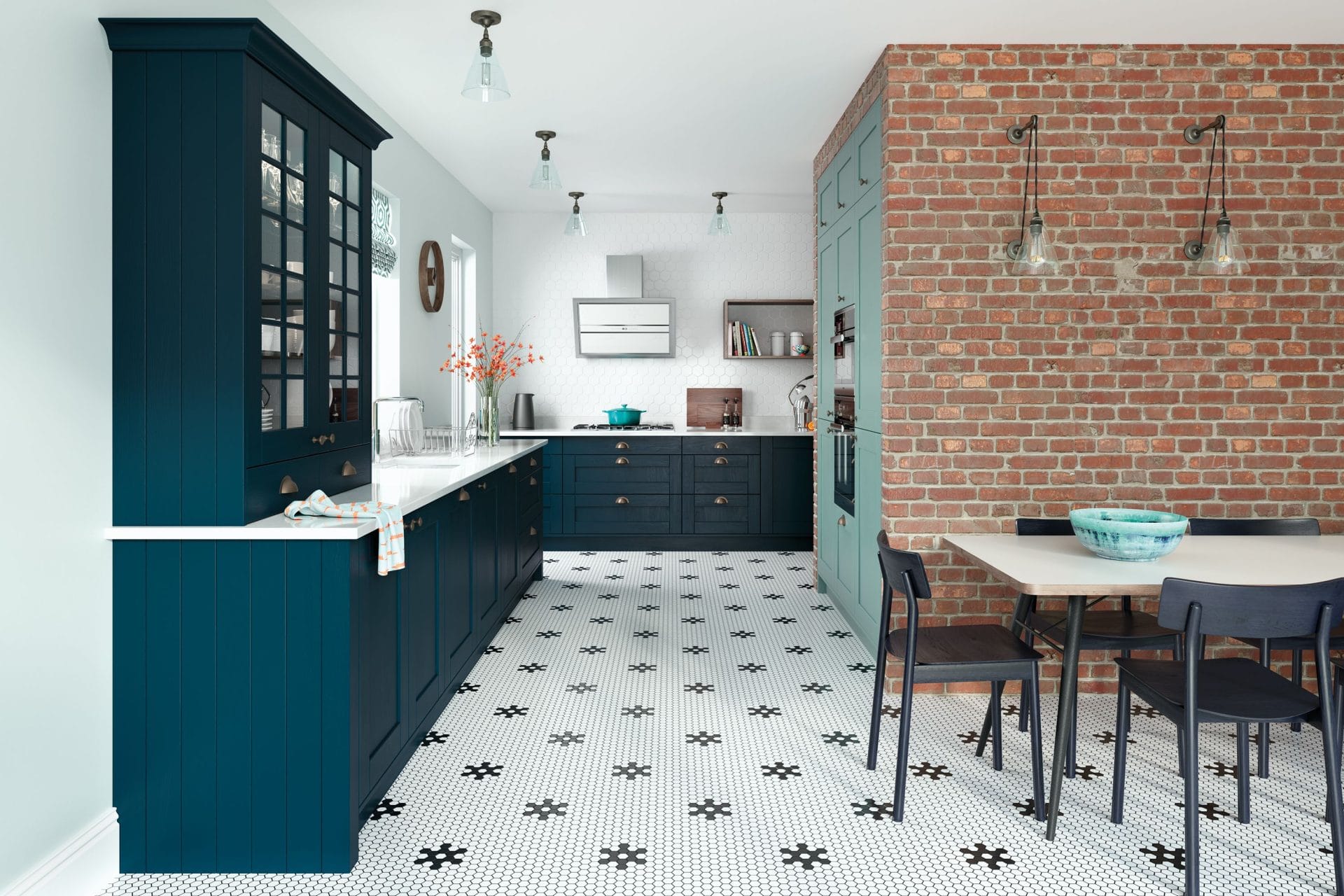
The key to making a modern kitchen feel at home in a traditional property is balance. Rather than stripping away every trace of the room’s history, successful designs often retain original features such as fireplaces, flagstone flooring or exposed brickwork, while introducing sleek cabinetry and integrated appliances around them. This contrast draws attention to both the old and the new, rather than letting one overwhelm the other.
Our modern kitchen range offers a variety of finishes that can be tailored to sit comfortably within an older property’s proportions and light.
Choosing the Right Materials and Finishes
Material choice plays a big part in how successfully a modern kitchen integrates into a period home. Matt lacquer or natural wood-effect cabinetry tends to feel warmer and more in keeping with older properties than high-gloss finishes, while stone or engineered worktops add a tactile quality that bridges both styles. Our worktop gallery is a useful starting point for exploring the options available.
Integrated German Appliances
A modern German kitchen isn’t just about cabinetry, appliances play a central role too. Brands such as NEFF, Liebherr and BORA are known for combining sleek design with genuine functionality, and integrating them seamlessly into cabinetry keeps the overall look uncluttered, which matters even more in a period property where sightlines and proportions are often more prominent.
Lighting and Layout Considerations
Period homes often have lower ceilings, smaller windows or uneven walls, all of which need to be factored into the design of a modern kitchen. Thoughtful lighting, including under-cabinet and plinth lighting, can help a handleless kitchen feel bright and contemporary even in a room with traditional proportions. Our designers assess these details during your home visit to ensure the finished layout works with your property rather than against it.
Seeing the Contrast for Yourself
The best way to judge whether a modern German kitchen will suit your home is to see the styles in person. Visit our kitchen gallery for real examples, or book a free design appointment at one of our Sussex showrooms to discuss your own property with a designer.
Frequently Asked Questions
Will a modern kitchen look out of place in a period Sussex property?
Not if it’s designed thoughtfully. A modern kitchen can create a striking contrast with period features rather than clashing with them, as long as the balance of materials and finishes is considered carefully.
What makes German kitchen design different from other styles?
German kitchens are known for precision engineering, handleless designs and highly functional storage solutions, offering a sleek, minimalist look with strong practical benefits.
Can I keep original features like beams or fireplaces alongside a modern kitchen?
Yes, many of our clients choose to retain original features as focal points, using them to frame the new design rather than remove them entirely.
Do modern German kitchens cost more than traditional kitchens?
Cost depends on the specification chosen rather than the overall style, so a modern kitchen isn’t necessarily more expensive than a traditional one.
How do I know which kitchen style will suit my home?
Our designers can advise on this during your home visit, taking into account your property’s proportions, natural light and existing period features.